
RCC Spotlight: Dr. Qian (Jackie) Zhang
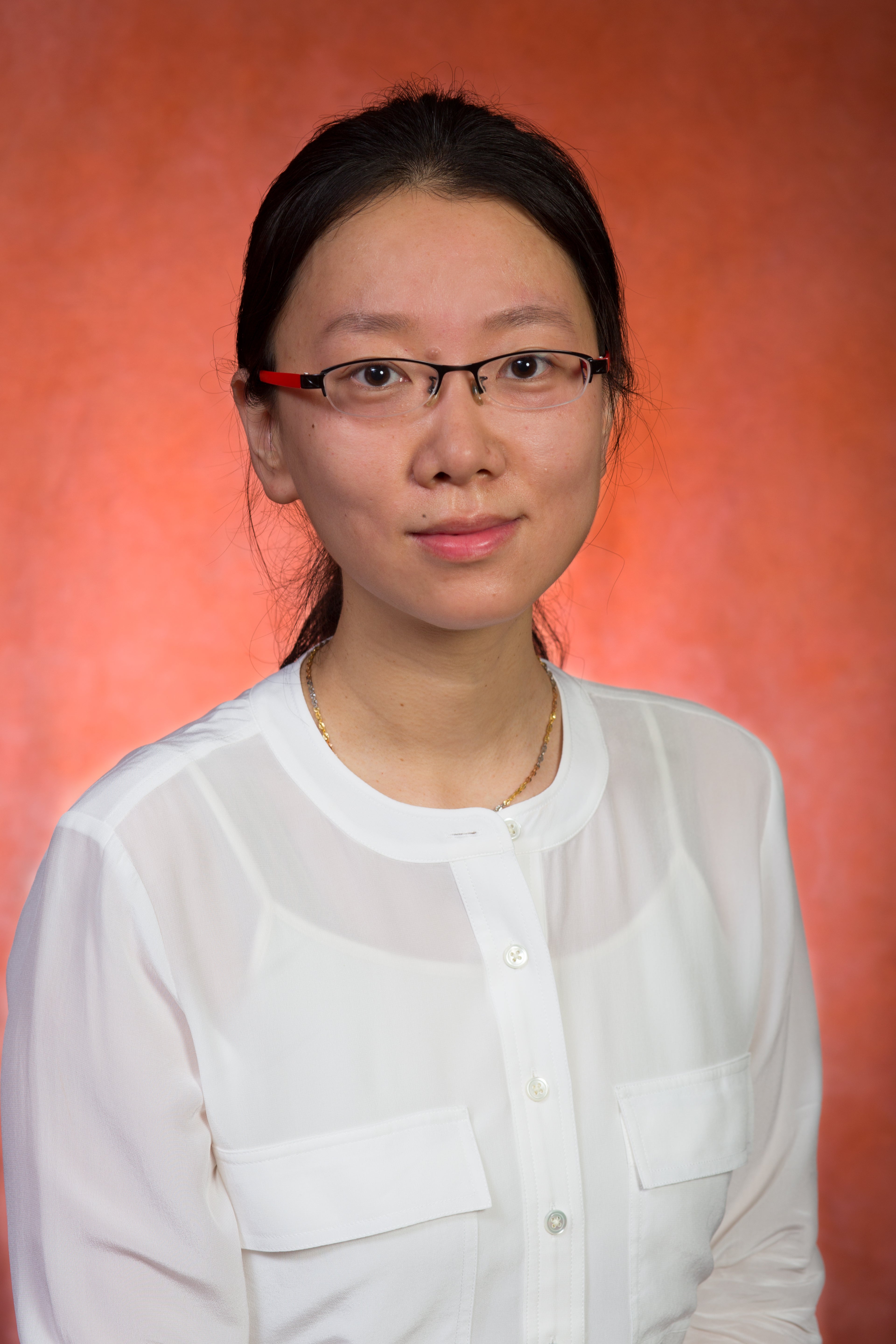
Dr. Qian (Jackie) Zhang earned her PhD in Quantitative Psychology from the University of Notre Dame in 2015 and joined Florida State University as an assistant professor that same year. In 2021, she was promoted to associate professor. Dr. Zhang’s research centers on the following primary areas: modeling longitudinal changes and identifying heterogeneity in these changes, as well as establishing robust causal relationships in social and clinical research.
At the heart of Dr. Zhang’s research is a commitment to what she calls “precision support.” By modeling how individuals change over time and identifying variations across these trajectories, she pinpoints the distinct factors that help some people thrive while others struggle. In education, this translates into synthesizing environmental and personal data to identify students who need tailored interventions to succeed academically. In clinical applications, she merges demographic and medical record data to design personalized treatment approaches for conditions like depression that account for patients’ unique diagnostic profiles.
To develop methods that reduce bias and increase reproducibility, Dr. Zhang addresses two major hurdles in causal inference: measurement error and uncertainty in variable selection. Methodological precision is essential for producing evidence that can inform public policy and the targeted allocation of resources.
Dr. Zhang’s lab pursues a broad set of research, including causal inference under experimental and quasi-experimental designs, longitudinal data analysis, causal mediation models, multilevel structural equation modeling, nonparametric modeling, and machine learning algorithms for covariate selection. Current projects tackle problems such as missing data, measurement error, confounding variables in mediation analysis, moderation analysis, and meta-analysis.
To handle the high-dimensional data and large-scale simulations her research requires, Dr. Zhang integrates machine learning techniques with the Research Computing Center’s high-performance compute cluster, which is essential for the computationally intensive simulations and modeling that drive her findings.
By combining rigorous methods, rich longitudinal data and scalable computation, Dr. Zhang’s research advances both statistical methodology and practical solutions for education and clinical care, bringing the precision necessary to identify who benefits most from specific interventions and how best to allocate support.
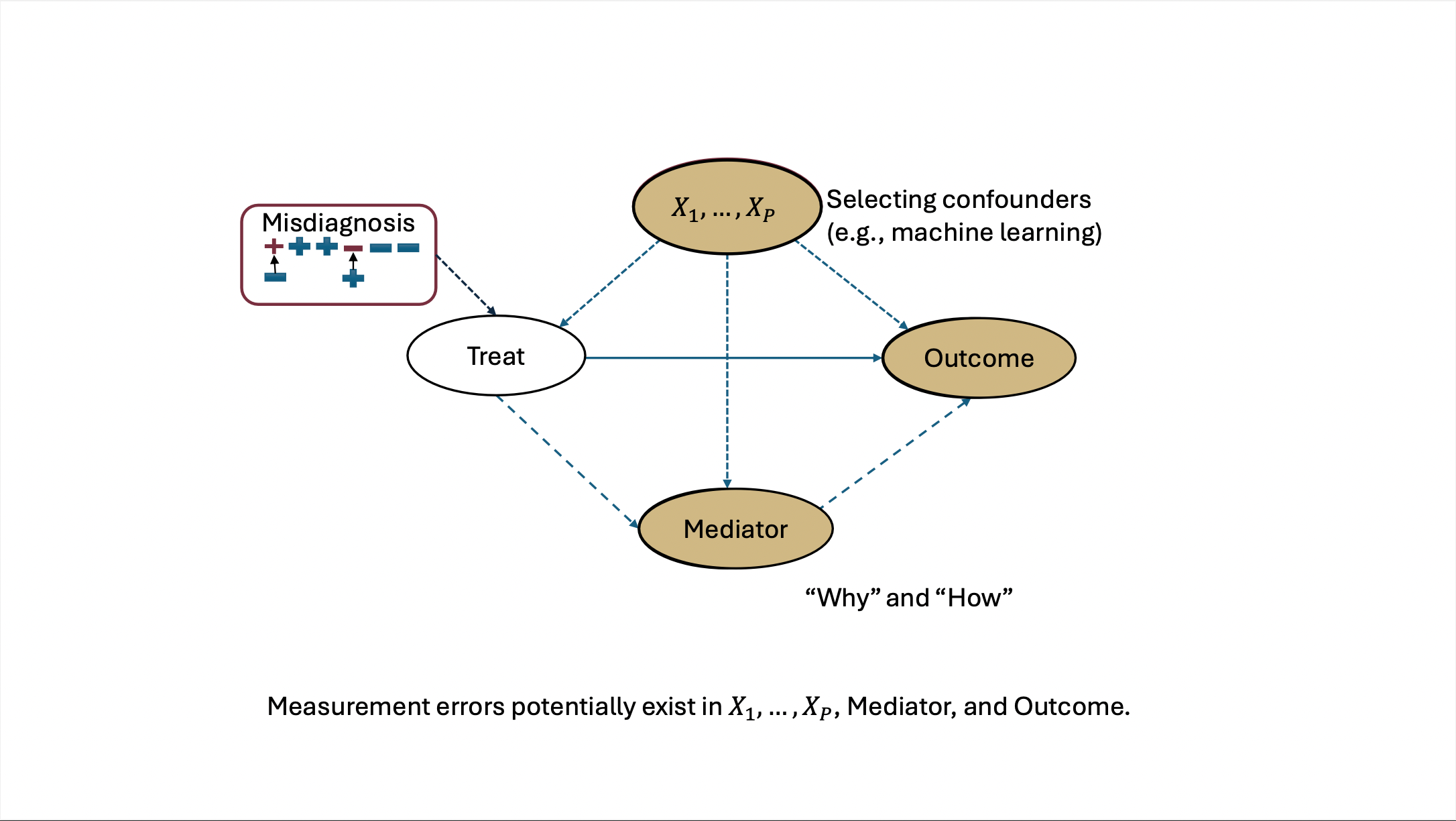
Figure 1: Addressing the “Whether” and “How” Problems in Causal
Inference